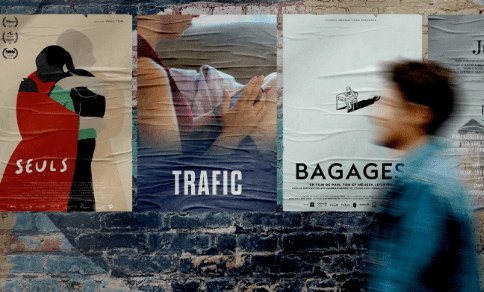





Félix Rose adds a final chapter to his trilogy on the history of Quebec with La force ouvrière
August 13, 2026
Following Les Rose and La bataille de Saint-Léonard, director Félix Rose adds a final chapter to his trilogy on the major struggles that have shaped Quebec’s history with the feature film La force ouvrière. Produced by Picbois Productions, broadcast by TVA, and distributed by Maison 4tiers, the documentary has just received financial support from SODEC, Telefilm Canada, and the Canada Media Fund.
“It is an immense privilege to be able to count on the support of funds that trust us and that will enable Félix to deploy his creativity and have the resources to achieve his ambitions.”
– Karine Dubois, producer
Set against the backdrop of the conflict that raged at United Aircraft in Longueuil in the mid-1970s, the film explores the impact of the event that transformed labor relations in Quebec and contributed to the passage of the anti-scab law. It was also a time when an entire generation of workers rose up to demand their place and secure better working conditions.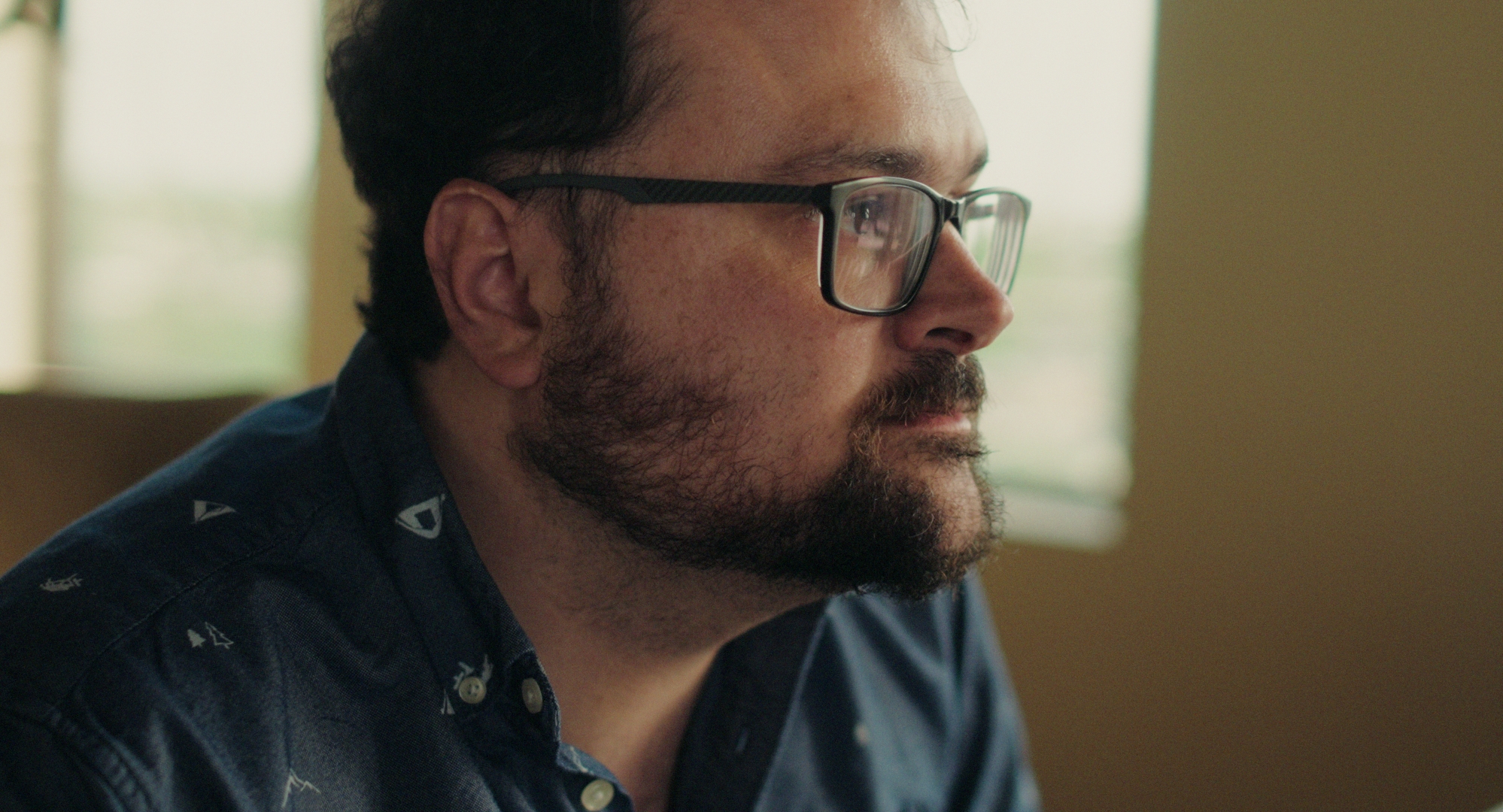
“I focus on the personal consequences of collective engagement: what it transforms, what it demands, and what it leaves behind once the struggle is over. In this film, I’m particularly interested in the labor movement. What drives men and women to get involved? How does this commitment shape them? What can their experience teach us?”
– Félix Rose, director
Currently in production, the film is set to hit theaters in Quebec in 2027.

Occupation at United Aircraft @Unifor

Riot at United Aircraft @Unifor
SYNOPSIS
On May 12, 1975, after sixteen months of a conflict between the workers and management of the American company United Aircraft that had reached a breaking point, everything changed. In the middle of the night, a truck rammed through the gate of the Longueuil aircraft factory; angry workers stormed the premises, ransacked the offices, and detained strike breakers. Broadcast live, the occupation took on the proportions of a national drama. Thirty-four workers were arrested, imprisoned, and then fired. The United Aircraft strike thus became a cry for help, a dividing line, and a turning point, forcing political leaders to enact legislation and permanently transforming the dynamics of labor disputes.